
 Sophia Windsor
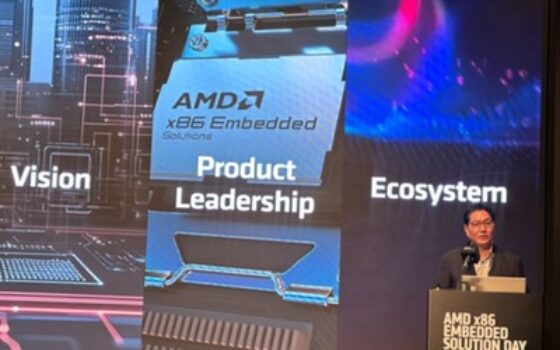
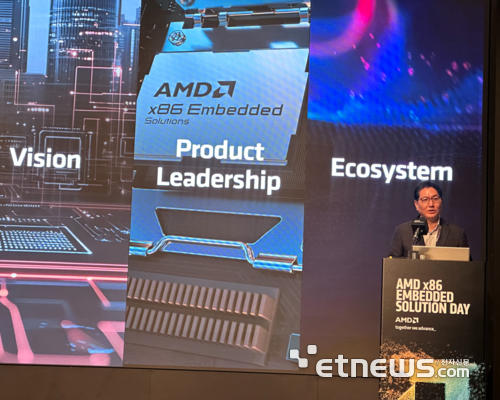
[ Gearbest Technology News]AMD is using embedded solutions as its next-generation growth engine, and plans to expand the competitiveness of x86 central processors proven in the data center and PC markets to the industrial computing field. On June 10, Lee Hee-wan, head of AMD's Korean sales, said at the AMD x86 Embedded Solutions Day held in Yangjae-dong, Seoul, that AMD is extending the success of x86 in data centers, PCs and game consoles to the embedded field. It has now acquired 7,000 embedded customers around the world, covering scenarios such as automobiles, medical equipment, broadcast equipment and satellites.
Embedded solutions refer to computer systems built into automobiles, robots, medical and communication equipment that are responsible for specific tasks. Unlike general-purpose PCs or servers, they need to stably provide control, computing, visualization and artificial intelligence processing functions for various industrial sites. AMD has expanded its AI embedded platform product line this year. The newly launched P100 and X100 series processors are based on x86 performance and integrate high-performance Zen 5 core architecture, real-time visualization and graphics processing functions, and low-latency and low-power neural network processing units (NPU). They can simultaneously handle control, graphics and AI computing tasks required in industrial sites on a single chip.
Li Xiwan pointed out that data center server CPU (EPYC) and Ryzen PC/game console CPU are embedded basic core technologies. Scenarios with high computing requirements use server-based EPYC, while scenarios that require flexible and adaptive configurations such as robots and humanoid robots use Ryzen. He emphasized that AMD's differentiation lies in its business experience. Embedded devices need to withstand harsh industrial environments such as vibration and high temperature, and require corresponding hardware and long-term software support. Xilinx’s 40-year legacy of embedded computing technology, software functions, and security-related intellectual property rights are AMD’s strengths.
AMD also plans to integrate existing ecosystem capabilities into the embedded x86 business. Li Xiwan revealed that in the field of programmable semiconductors (FPGA) and adaptive system-on-chip (SoC), AMD has established more than 400 partnerships for more than 20 years. This ecosystem will be applied to embedded x86 and further expanded according to customer needs.
magicCubeFunc.write_ad(“dingcai_top_0”);



 Login with Google