
 Sophia Windsor
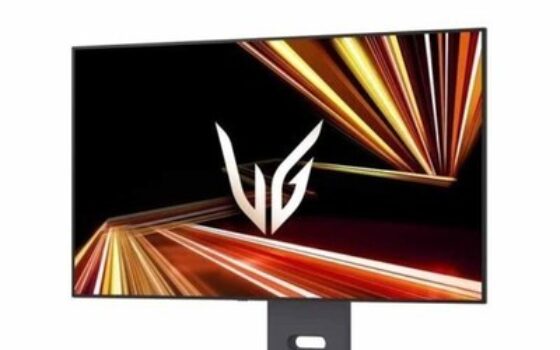
[ Gearbest Technology News]Recently, according to Korean media reports, LG Electronics will use Samsung Display’s quantum dot organic light-emitting diode (QD-OLED) panels for the first time in its high-end gaming monitors.

monitor
According to industry sources, LG Electronics plans to launch a new gaming monitor equipped with Samsung Display QD-OLED panel in the second half of the year. Sizes under consideration include 27 inches and 32 inches. It is reported that the number of panels purchased this year is about 10,000 units.
The reason why LG Electronics purchases OLED panels from Samsung Display is rumored to be that its subsidiary LG Display failed to fully allocate panel production capacity. LG Display is busy coping with the demand for supplying white OLED panels to Samsung Electronics TVs, and its production capacity is tight. Samsung Electronics only uses QD-OLED on some flagship TV models and has increased the proportion of WOLED in the rest of its product lines. The number of WOLED panels for TVs that LG Display supplies to Samsung Electronics is gradually expanding.
Industry analysts pointed out that the price of QD-OLED panels is higher than that of WOLED, causing Samsung Electronics to be cautious about adoption. Eventually, a cross supply pattern was formed in which Samsung TVs are equipped with LGD's WOLED, and LG Electronics displays are equipped with Samsung Display's QD-OLED.
Some commentators believe that cross-purchase of display panels between groups, which was unimaginable in the past, is gradually becoming normalized. Background factors include competition from Chinese manufacturers. After the LCD field gave way to Chinese manufacturers and the battlefront focused on OLED, the distance between Samsung and LG has also narrowed. Both panel and complete machine manufacturers are faced with the situation of prioritizing survival over competition.
Samsung Display’s QD-OLED display business is growing rapidly. Samsung Display announced on the same day that its cumulative shipments of QD-OLED for displays exceeded 5 million units in March this year. Since mass production began at the end of 2021, the average annual growth rate has exceeded 320%. Current major customers include Samsung Electronics’ Odyssey series, Dell, HP, etc. The addition of LG Electronics will further expand the customer base.
QD-OLED and WOLED both belong to the OLED series, but there are differences in color realization methods and prices. QD-OLED combines blue OLED and quantum dots to achieve color performance. WOLED uses a white OLED structure with color filters. Analysts believe that QD-OLED has more advantages in color expression. WOLED is relatively advantageous in terms of mass production experience and price of large-size panels.
Son Dong-il, head of Samsung Display's large-scale business unit, said that QD-OLED's rapid growth and significant market share stem from its excellent picture quality, quality competitiveness and stable production capacity. In the future, we will continue to launch differentiated technologies and products that are close to customer and market needs, change the pattern and trends of the display market, and lead technological transformation.
It is reported that the annual size of the global display market is approximately 130 million units. According to data from market research organization TrendForce, global OLED display shipments last year were 2.74 million units, a year-on-year increase of 92%. It is expected to grow another 51% this year. Based on last year’s data, OLED penetration is still only about 2%, which means there is huge growth potential. In terms of OLED display brand share, ASUS ranks first with 21.6%, Samsung Electronics 19.3%, MSI 13.1%, LG Electronics 12.6%, and Dell Alienware 9.9%. In the entire display market, Dell, Samsung Electronics, HP, LG Electronics, Lenovo, etc. occupy the forefront.
Industry analysts believe that the growth momentum of OLED for IT equipment has greatly surpassed that of the TV field. This is due to the increase in single-person households and the spread of remote working, and the demand for high-end monitors such as gaming has increased sharply, mainly among those in their 30s and 40s.





 Login with Google