
 Sophia Windsor
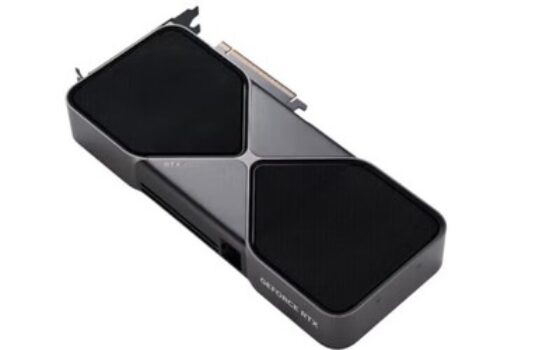
[ Gearbest Technology News]On January 28, according to Korean media reports, tensions over global semiconductor shortages are rapidly spreading from the field of artificial intelligence to the consumer graphics card market. Driven by the AI wave, the market demand for high-bandwidth memory (HBM) and DDR5 memory has surged, resulting in a delay in the supply of memory required for ordinary consumer-grade graphics cards.
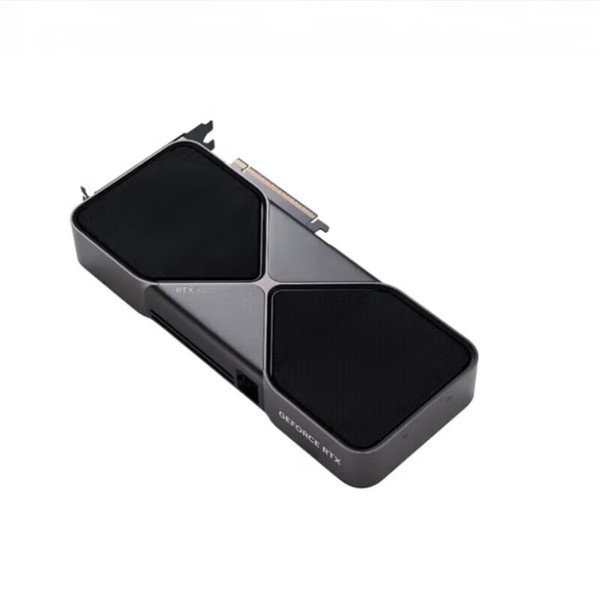
On global retail platforms such as Amazon, no merchants are selling NVIDIA GeForce RTX 5090 graphics cards. Currently, due to the imbalance between semiconductor supply and demand, graphics card prices are experiencing “crazy” increases and the supply chain is broken.
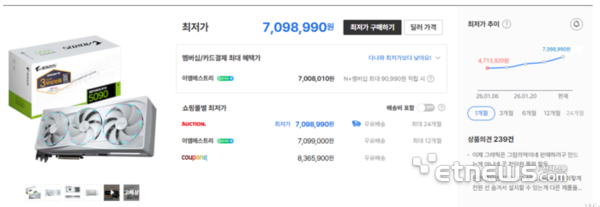
A Korean e-commerce platform shows that the price of NVIDIA GeForce RTX 5090 graphics card has soared to more than 7 million won (approximately RMB 34,000). It is worth noting that a year ago, the price of this graphics card was still around US$2,400 (approximately RMB 17,000). Some retailers took advantage of the price gap to conduct secondary sales, causing the price of graphics cards to double in a short period of time.
The Japanese market is also facing tensions. Major offline retailers in Tokyo's Akihabara have put up banners limiting the number of purchases per customer. Graphics card manufacturer Zotac has also taken measures to implement a “limited purchase of one unit per person” sales strategy in South Korea's official online mall starting this month.
Related reports
According to Gearbest, NVIDIA stopped its OPP (Open Price Program) program for AIC (Add-in-Cards) graphics card partners at the beginning of this year. The program was originally a subsidy provided by Nvidia to partners to help them sell products at recommended retail prices. Industry insiders analyze that this move may be because Nvidia hopes to focus more resources on the more profitable AI accelerator production rather than the ordinary game graphics card market.
magicCubeFunc.write_ad(“dingcai_top_0”);





 Login with Google