
 Gearbest Tech
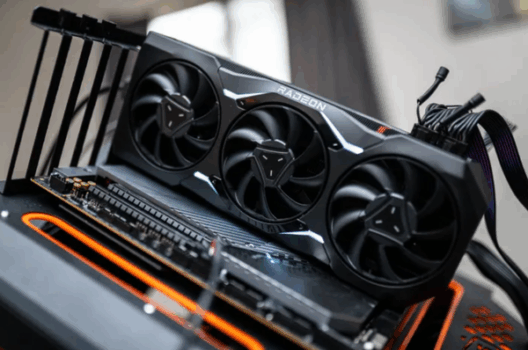
[Gearbest Technology]In the next few months, the competitive landscape of the graphics card market will undergo drastic changes. Nvidia's RTX 50 series and AMD's RDNA 4 series are expected to be available in January 2025, while Intel may also expand its Battlemage series.

However, one GPU has grabbed the market's spotlight, and it is not the much-anticipated Nvidia RTX 5090, but AMD's upcoming flagship product – expected to be named RX 8800 XT (or RX 9070 XT). This GPU is not only crucial to AMD, but also has a profound impact on the entire graphics card market.
Competition heats up
In Steam's hardware statistics, Nvidia's RTX 3060 and other graphics cards have always been in the leading position. This reflects that most users do not need top-level graphics cards, but are pursuing an everyday graphics card that can run the latest games smoothly. Intel's Arc B580 graphics card is a typical mid-range graphics card that shows how to find a balance between performance and price.
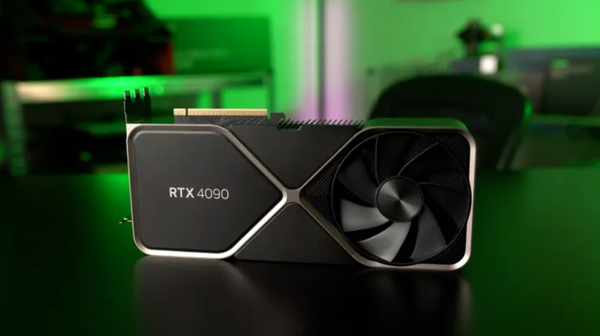
Although the Arc B580 graphics card is not outstanding in terms of performance and specifications and is at a similar level to Nvidia's RTX 4060, its price is very attractive. It is priced at US$250 in foreign markets and 2,049 yuan in the domestic market. It is this friendly price strategy that has triggered enthusiastic buying among gamers.
Looking at AMD's RDNA 3 series graphics cards, there are differences in cost performance. Despite the strong performance of this series of graphics cards, the pricing of some products may limit their market potential.
Take the RX 7900 XTX, for example. Its launch price is $1,000, which is $200 cheaper than the competing RTX 4080. However, since its rasterization capabilities are similar to the RTX 4080, but its ray tracing performance is poor and it lacks DLSS 3 frame generation technology, it is not considered a cost-effective choice. Despite the $200 savings, the overall price is still on the high side.
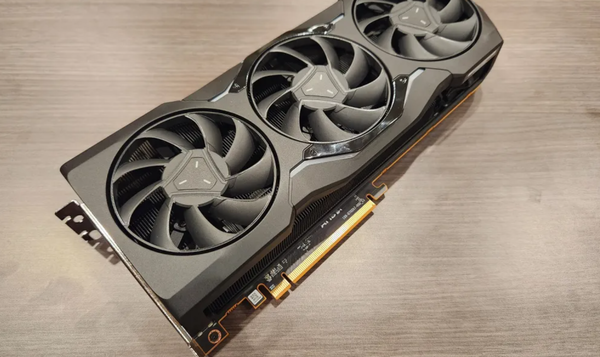
However, there are some graphics cards in the RDNA 3 series that perform well in terms of price/performance. For example, RX 7800 XT and RX 7900 GRE, these two graphics cards achieve a perfect balance between performance and price, making them the first choice for gamers to build cost-effective computers.
AMD has made it clear in its new generation of products that it will target the mainstream market. As a result, we may see changes in the market landscape. It is expected that Nvidia’s upcoming RTX 5090, RTX 5080 and RTX 5070 Ti graphics cards will have higher prices. But if AMD can launch a graphics card with comparable performance (especially better ray tracing performance) and competitive pricing, it may trigger a rush to buy again, similar to the hot scene of Intel B580 graphics card.
With options of comparable performance at lower prices, gamers may be more inclined to choose AMD, which could have a profound impact on the overall graphics card market. As competition intensifies, Nvidia may adjust its pricing strategy. If AMD can deliver truly competitive products at the price points that gamers care about most, Nvidia will face even more pressure.
Better or worse?
If AMD's next-generation graphics card is named RX 8800 XT, we can expect it to bring a series of significant changes and show new advantages in the competition with Nvidia.
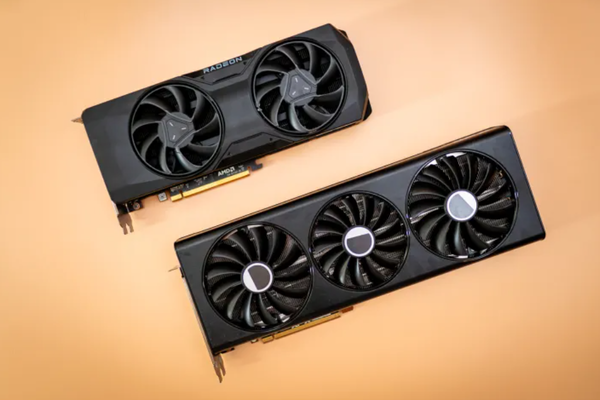
Although the RX 8800 XT may not be a qualitative leap over the current RX 7900 XT in terms of specific specifications such as VRAM (video memory) or computing units (CUs), slight improvements are still possible. Especially considering that AMD has always been generous in terms of memory capacity, the VRAM configuration of RX 8800 XT is worth looking forward to. Currently, the RX 7900 XT is equipped with 20GB of memory, which is even more than the $1,000 Nvidia RTX 4080 Super and only 4GB less than the RTX 4090. Therefore, it is reasonable to speculate that the VRAM configuration of the next generation of AMD flagship graphics cards will be at least 16GB, and may even reach 20GB or 24GB, which is undoubtedly good news for the current AAA games with extremely high VRAM requirements.
In terms of performance, there are rumors that the RX 8800 XT may be on par with Nvidia's RTX 4080. The RTX 4080 is on par with the RX 7900 XTX when it comes to rasterization, but has the advantage when it comes to ray tracing. However, ray tracing is one of the areas where AMD is expected to make breakthroughs. It is reported that in the game “Resident Evil 7”, the ray tracing performance of RX 8800 XT is as much as 45% higher than that of RX 7900 XTX. Although this data may vary depending on the game, it at least shows AMD's progress in ray tracing technology. Of course, to fully evaluate AMD's ray tracing performance, we still need to wait for more heavyweight game tests.
Even if ray tracing predictions fail to fully materialize, AMD has made it clear that its next-generation GPUs will bring significant improvements in ray tracing performance. Therefore, we have reason to believe that the RX 8800 XT will be a graphics card that can replace the RTX 4080. It not only has more VRAM, but may also reach a comparable level in ray tracing performance. This will give AMD an advantage in competing with Nvidia and provide consumers with more choices.
Value for money is king
Whether AMD RX 8800 XT and its possible accompanying graphics cards such as RX 8600/XT can stand out in the market, cost-effectiveness is undoubtedly a decisive factor. Intel's recently released Battlemage graphics card is a clear example, which proves the importance of cost-effectiveness in attracting consumers in the mainstream market.
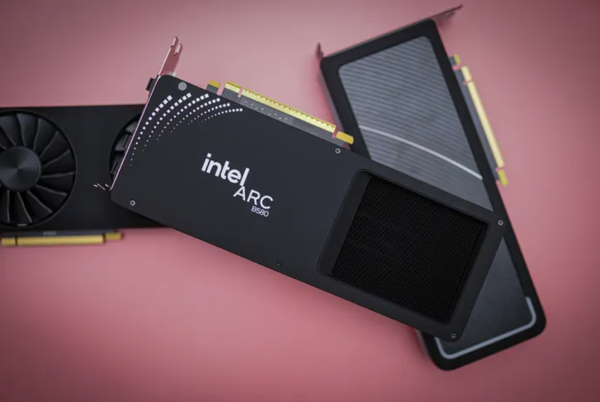
Intel's first-generation mainstream graphics card, Arc Alchemist, didn't attract as much attention as its follow-up, Battlemage. However, the strong demand for Battlemage graphics cards not only surprised Intel, but also caught retailers off guard. Currently, this graphics card is almost impossible to find in stock on the market.
The warm reception Battlemage has received is a clear indication that gamers are open to trying brands other than Nvidia. They just need a little extra push to make their choice. While Nvidia does have a certain preference among gamers, that preference isn't unshakable.
AMD had high hopes for the RX 7900 XTX, but it still underperformed Nvidia in the market. Many people were expecting the 7900 XTX to be priced lower, closer to its current selling price of $870, and if that were the case, they might not hesitate to buy it.
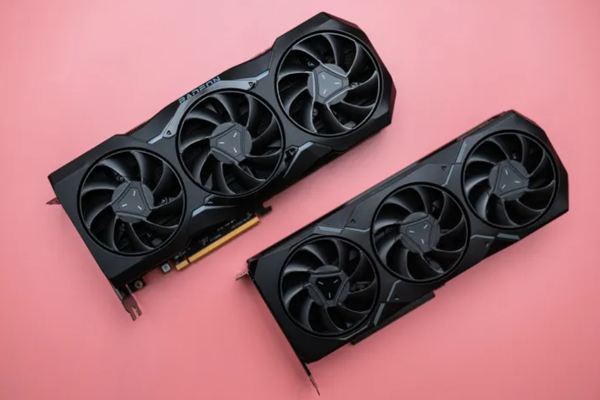
AMD's shift in strategy with its RDNA 4-series graphics cards has given hope that this may be changing. AMD has performed well in the mid-range market, spearheading graphics cards such as the RX 7800 XT and competing fiercely with Nvidia. If AMD continues to focus on the mid-range market in 2025, the resulting price war could be beneficial to both parties. This is one of the reasons why people are looking forward to the RX 8800 XT and other graphics cards in the AMD RDNA 4 series.
write at the end
Nvidia has been dominating the GPU market, while AMD's gaming business has suffered significant losses in 2024. However, AMD's new strategy has huge potential, and if all goes well, we might finally see some real competition forcing Nvidia to keep its prices reasonable.
magicCubeFunc.write_ad(“dingcai_top_0”);




 Login with Google